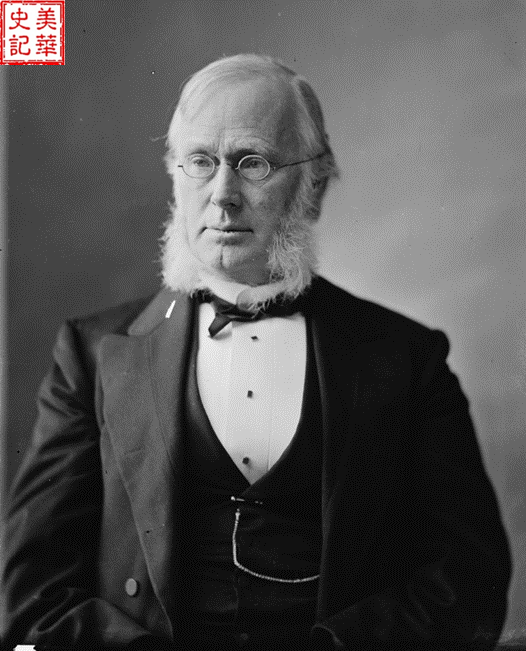
美华史记|麻州参议员霍尔 – 抗击排华法案直至暮年
“我相信,每人都有其权利,该权利应该取决于其个体价值,而不取决于肤色或种族,并且所有种族、所有肤色、所有国籍的人都能产生那种无论走到哪里都可以和其他族裔平起平坐的人。 “
“ 根据我的判断,这项法案(排华法案-作者注)违反了这一原则。就算我孤军奋战,也必须将我的抗议记录在案。“
–霍尔参议员,1902年国会讨论无限期延长排华法案时发言
美华史记|麻州参议员霍尔 – 抗击排华法案直至暮年 Read More »
“我相信,每人都有其权利,该权利应该取决于其个体价值,而不取决于肤色或种族,并且所有种族、所有肤色、所有国籍的人都能产生那种无论走到哪里都可以和其他族裔平起平坐的人。 “
“ 根据我的判断,这项法案(排华法案-作者注)违反了这一原则。就算我孤军奋战,也必须将我的抗议记录在案。“
–霍尔参议员,1902年国会讨论无限期延长排华法案时发言
美华史记|麻州参议员霍尔 – 抗击排华法案直至暮年 Read More »
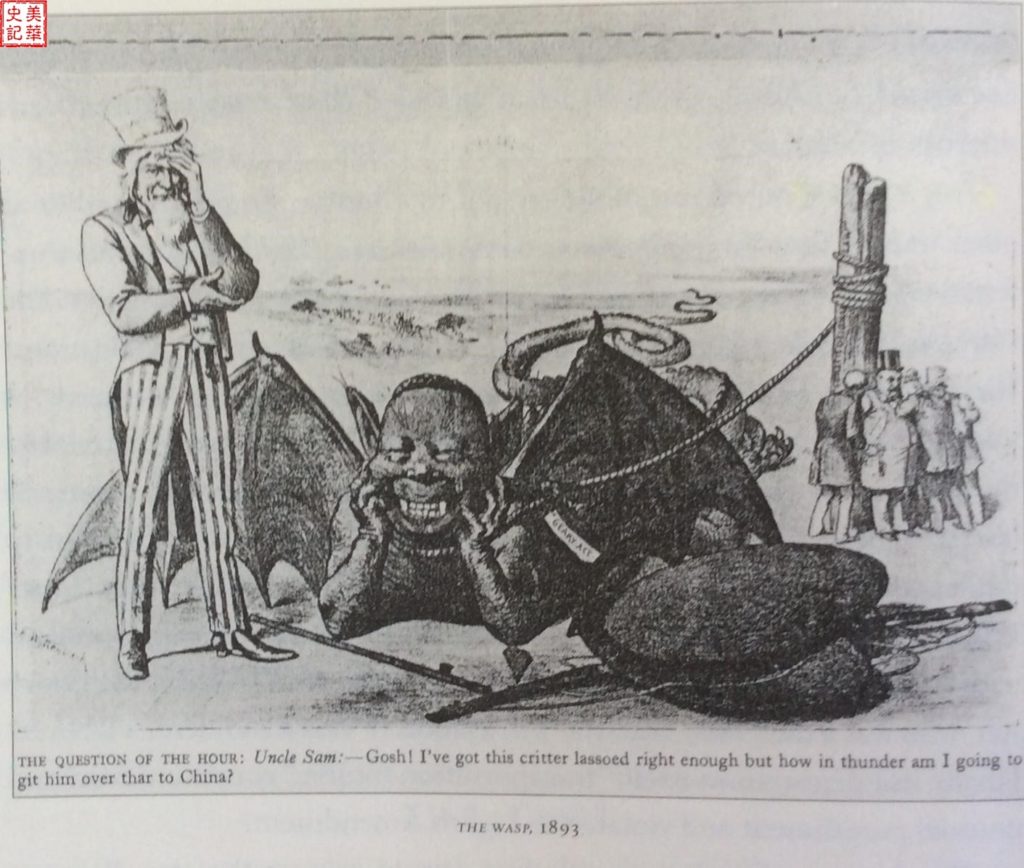
By 1892, measures such as the Geary Act required all Chinese residents in the United States to carry “certificates of residence” or “dog tags,” as the Chinese community tended to call them. When the Chinese Exclusion Act entered its second decade, with the support of the Chinese government and the Six Companies (the Chinese Consolidated Benevolent Association in San Francisco, California), many Chinese immigrants began organizing to resist the enforcement of the law. The brave efforts of average Chinese Americans turned out to be one of the largest mass civil disobedience movements in US history.
Historical Record of Chinese Americans | The Second Decade of the Chinese Exclusion Act Read More »
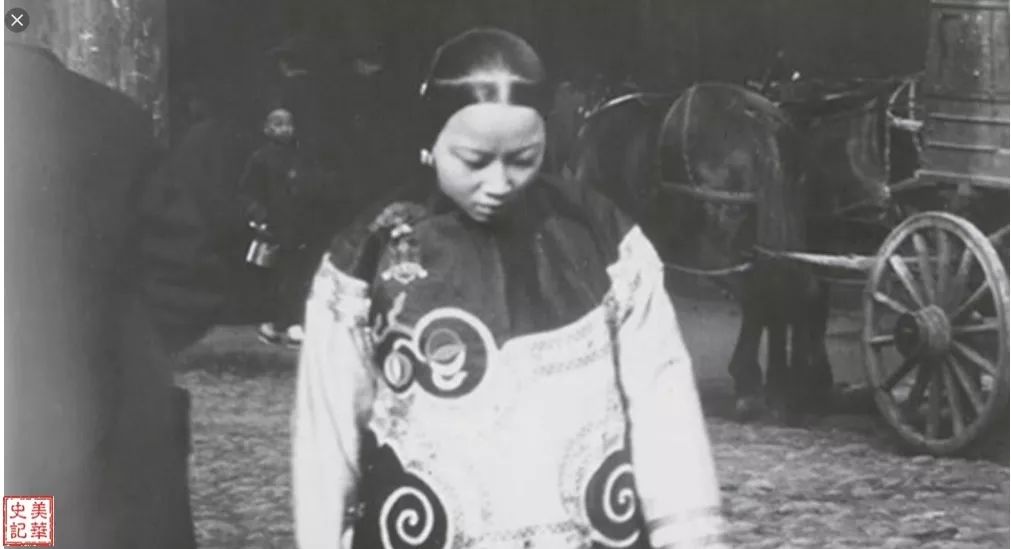
Chinese women in the 19th century were a special group in American Chinese communities. Some of them were babysitters, laundry workers, or gold diggers. This group of people formed the first batch of families in the Chinese community. Prostitution was quite common among many ethnic groups in the western United States, and many Chinese women were also prostitutes. The U.S. legislative system passed the Page Act, prohibiting so-called cheap labor and immoral Asian women from entering the United States. Their excuse for discriminating against Chinese women was their image of prostitution, spreading sexually transmitted diseases, and subverting American marriage ethics. With restrictions on female immigration, the federal government successfully prevented the growth of the Chinese population.

“是否准许华人加入美国籍?” 那是1870年的一场国会激辩。
美华史记 | 1870年那次良机,他们为什么竭力阻拦华人入籍? Read More »
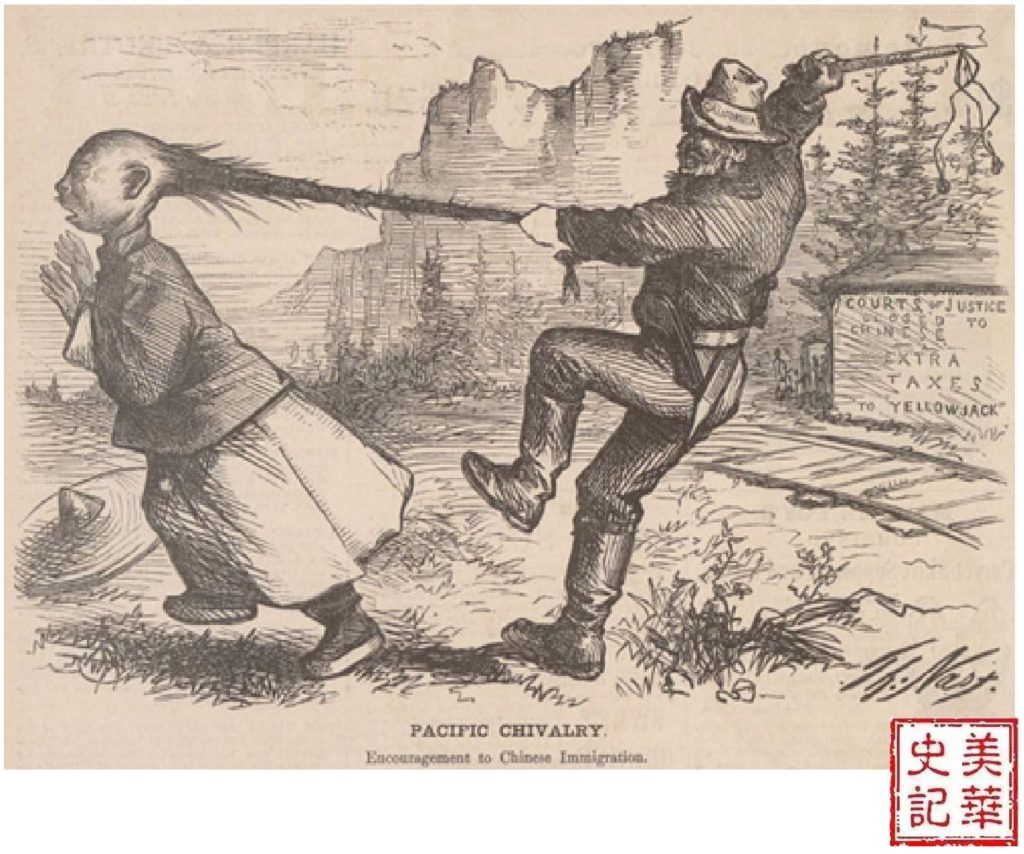
1879年9月3日是加州选举州长的日子。然而选票上多了两个不寻常的选项:“赞成华人移民美国”和“反对华人移民美国”。投票结果:96%的选民反对华人移民美国,只有0.5%的选民赞成华人来美国。
这一公民表决的结果被送到白宫和国会也被刊登在报纸上。两年零四个月后,也就是1882年3月,美国国会终于通过了“排华法案”。排华法案不仅禁止华工进入美国,还禁止已经在美国的华裔加入美国籍。
美华史记| 这十五万多张选票,促成美国禁止华人移民六十三年 Read More »
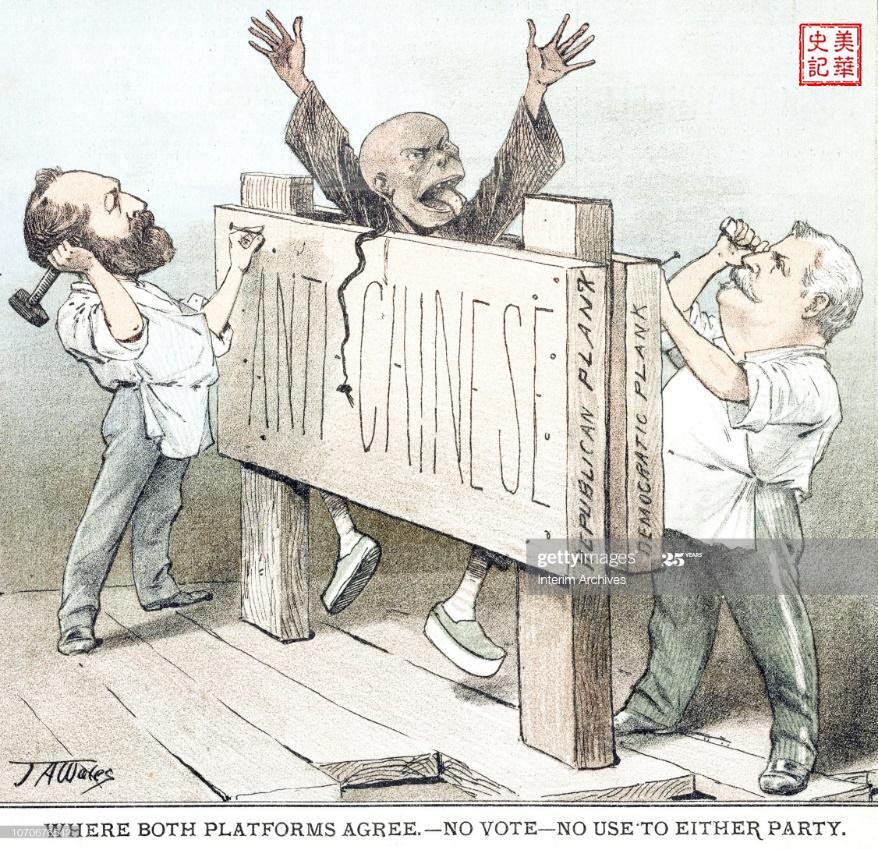
“10月惊奇”(October Surprise)是指临近美国总统选举选举前,竞选对手阵营发出的一条震撼性负面新闻。由于离开选举日只剩很少时间,无论新闻内容是否为真,目标候选人都没有足够时间澄清真相。所以这是有效打击对方票仓的手段之一。
美华史记 | 140年前的美国大选,华人当选“10月惊奇” Read More »
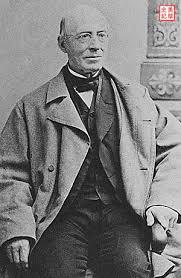
据1900年的美国人口统计,全美只有9万华人,约每850个美国人里才有一个是华人。人数稀少,政治经济地位均极其低下,华人社区面对排华浪潮有口难辨。就在此时,一位民权活动家路见不平,拔刀相助。他叫加里森(WILLIAM LLOYD GARRISON JR.,1838-1909),家住波士顿。其父亲是美国著名的主张废除奴隶制的媒体人。
美华史记 | 华人的六大罪名,政客的囊中选票 Read More »
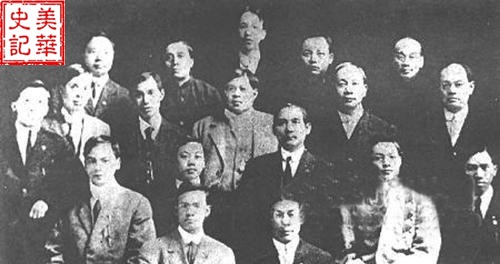
While the Chinese Exclusion Act of 1882 closed the legal door for immigration, many Chinese switched their tactics by entering the country illegally and they probably became US’ first illegal immigrants. Moreover, these illegal Chinese immigrants who had sneaked into the US through Canada, Mexico, or unguarded shores might have set a precedent for future unlawful immigrants. To prevent the breach of its border by illicit immigrants, the US government hence began to extend its border security to its neighbors such as border diplomacy in Canada and border policing near the border with Mexico. Despite the effective border security in both northern and southern sides, some Chinese managed to take advantage of legal loopholes to acquire admission to the country as legal immigrants or even citizens. In addition, during the third decade after the passage of the Chinese Exclusion Act, many Chinese Americans had begun to embrace international politics. Led by the Society to Protect the Emperor (Bao Huang Hui) and the Chinese Consolidated Benevolent Association (Zhong Hua Hui Guan), they called for and donated money to support the boycott of American goods across seas in 1905-06. They also contributed funds to the anti-Manchu revolution and some of them even returned to China to join the uprisings. In 1912, when the Chinese Exclusion Act entered its fourth decade, the last dynasty of the Qing Empire, which lasted thousands of years, finally came to an end.
Historical Record of Chinese Americans | The Third Decade of the Chinese Exclusion Act Read More »
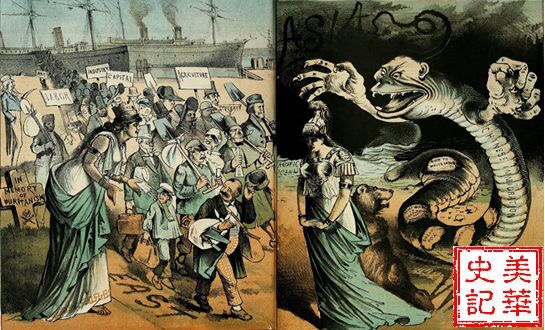
The Chinese Exclusion Act was a United States federal law signed by President Chester A. Arthur on May 6, 1882 prohibiting the immigration of all Chinese laborers. In times of economic and geopolitical crises, the tensions existed between different ethnic groups and the Chinese Americans paid for the crisis. At the beginning, the law was only a “restriction law” (1882-1888). However, the “restriction law” was ineffective, followed by outbreak of anti-Chinese violence. The confluence of local violence along with national exclusion and international expansion shifted the nature of US border control with a long-term policy of “complete exclusion law” (1888-1943). The hostile political environment lay the grounds for the general public to embrace a racism against Chinese Americans. The Chinese Exclusion Act was repealed in 1943.
Historical Record of Chinese Americans | The First Decade of the Chinese Exclusion Act Read More »

纪录片《排华法案》详细介绍了《排华法案》的酝酿,出炉到废除。2021年5月1日星期六晚8点(东部),美国著名纪录片导演贝恩斯(Ric Burns)将畅谈制作《排华法案》纪录片的经过。欢迎现场提问。这部纪录片目前正在播出直到5月28日。