Fan Jiao (焦凡)
Unlike California, where the Gold Rush gave rise to large Chinese settlements, and Texas, where railroad construction and border commerce quickly fostered Chinese communities, North Carolina’s Chinese population remained relatively small and geographically dispersed throughout the nineteenth century. Most Chinese immigrants made their living by operating family-run laundries and restaurants. Beginning in the 1880s, however, Wilmington gradually developed into North Carolina’s first stable and enduring Chinese community. It became the state’s earliest established and most representative center of Chinese settlement.1
1. Wilmington: North Carolina’s First Significant Chinese Community (1880s–1920s)
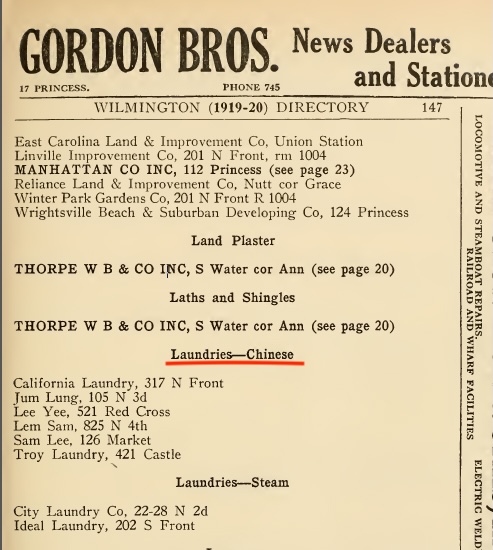
By the late nineteenth century, Wilmington had become North Carolina’s largest seaport and commercial center. Its convenient maritime and rail transportation made it an attractive destination for Chinese immigrants relocating from California and other Southern states. Because opening a laundry required relatively little start-up capital, the laundry business became one of the few viable occupations available to Chinese immigrants, who faced widespread discrimination and severely limited employment opportunities.
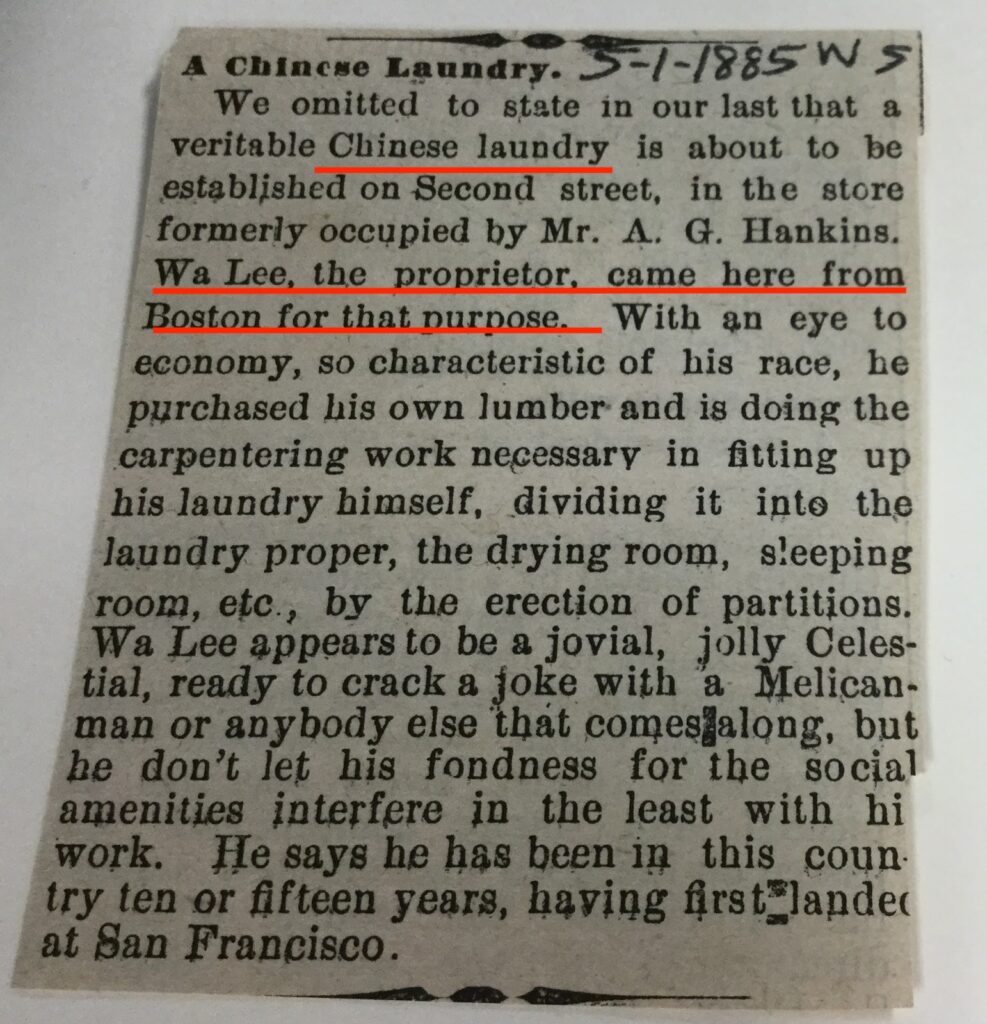
According to available historical records, Wa Lee was the earliest documented Chinese resident of Wilmington, having moved from Boston. In 1885, he opened a hand laundry in the city. That same year, two other Chinese immigrants also established laundries, marking the birth of Wilmington’s Chinese community.
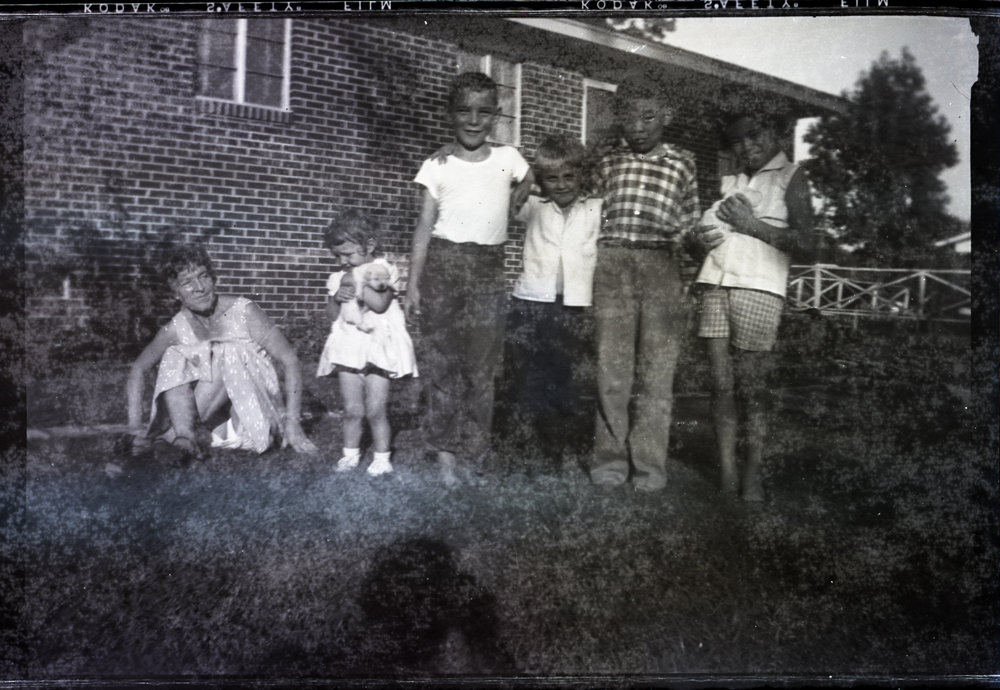
The two children shown in the photograph are Lee Unwah Howe (born in 1950) and Lee Jeanie Mae Howe (born on November 14, 1949), respectively.
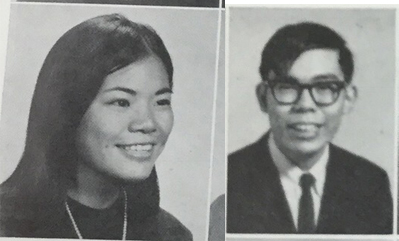
2. From Revenue Cutter Sailor to Wilmington Methodist Missionary and Patriarch of a Prominent Chinese American Family
Charlie Soong, originally named Han Chiao-shun, was born in 1863 on Hainan Island, China’s southernmost province. His family had long been engaged in maritime commerce, trading along the coasts of China and throughout Southeast Asia.
In 1878, Soong traveled to the United States to join an uncle who operated a tea and silk business in Boston. In January 1879, at the age of sixteen, he secretly boarded the U.S. Revenue Cutter Albert Gallatin, which was docked in Boston Harbor. The vessel eventually brought him to North Carolina.
While in Wilmington, Soong converted to Methodism. Recognizing his exceptional promise, a local Methodist minister introduced him to Braxton Craven, president of Trinity College (the predecessor of Duke University). Soong subsequently became Trinity College’s first international student, marking the beginning of his higher education and setting him on the path to becoming a Methodist missionary.
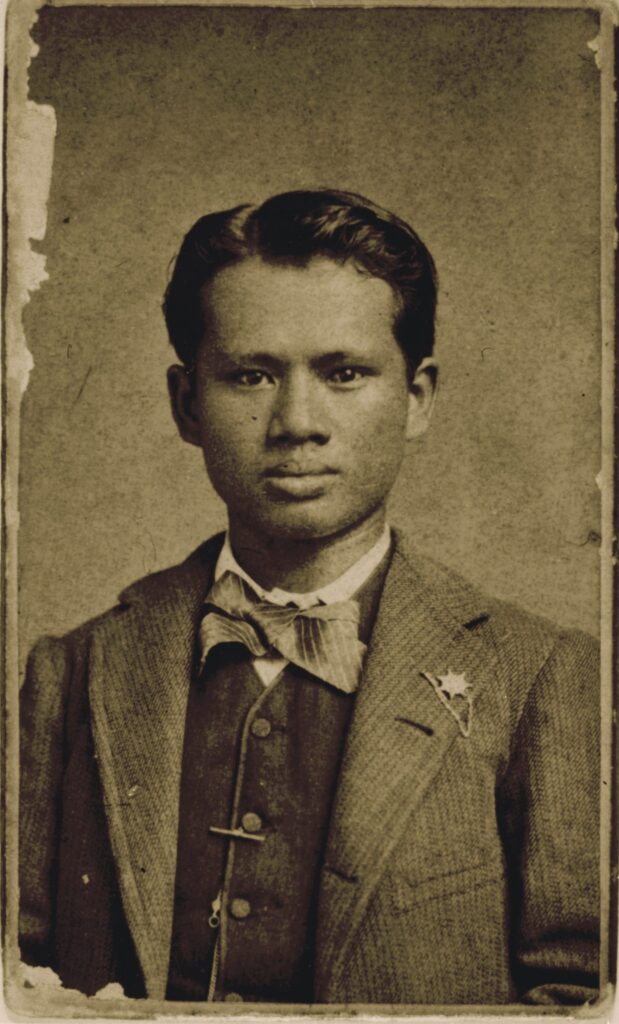
After completing his studies, Charlie Soong returned to Shanghai, where he served as a Methodist missionary. In 1894, he met Sun Yat-sen and soon began financing Sun’s revolutionary activities, becoming one of the principal patrons of China’s modern democratic revolution.2
As an overseas Chinese from Hainan, Charlie Soong and his family came to enjoy extraordinary prestige within the global Chinese diaspora. Widely regarded as a legendary overseas Chinese family, the Soongs exerted a profound influence on the political, economic, and educational development of modern China.
Although all three of Charlie Soong’s daughters were born in China, he placed great importance on a Western education and sent each of them to the United States for higher education.
In 1913, after opposing Yuan Shikai’s (袁士凯) consolidation of power, Sun Yat-sen was forced into exile in Tokyo, where he founded the Chinese Revolutionary Party and continued to lead the movement against Yuan. Recognizing both his daughter’s education and abilities, Charlie Soong sent his second daughter, Soong Ching-ling, to Tokyo to serve as Sun’s English secretary. In that role, she assisted him with correspondence, administrative affairs, daily personal matters, and a wide range of other responsibilities.3
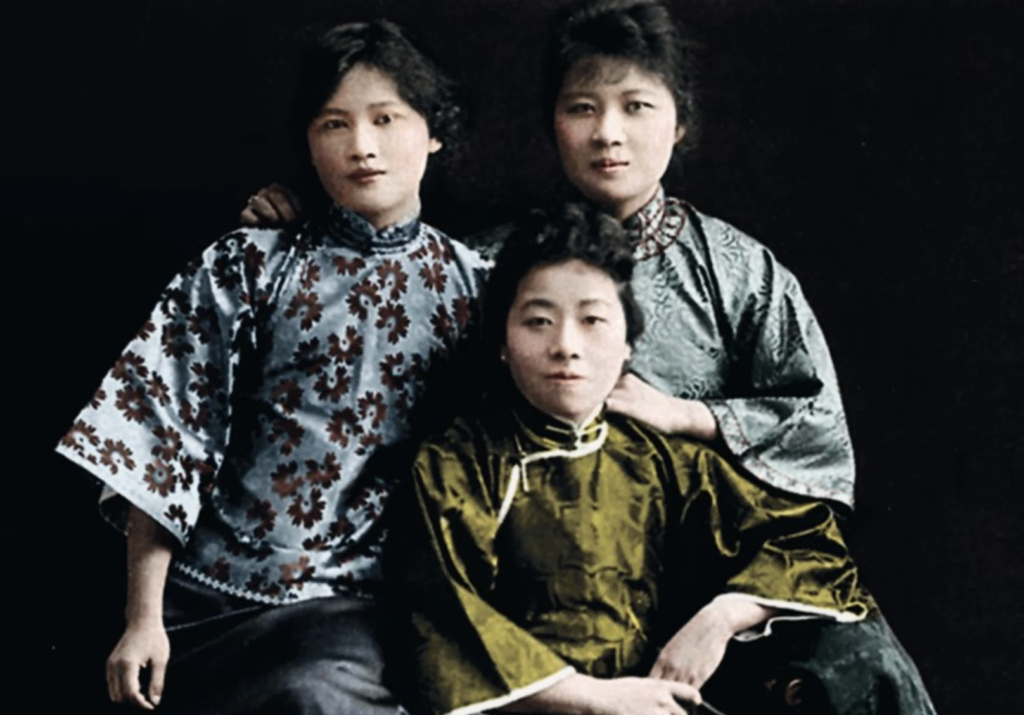
Figure 6, Charlie Soong’s three daughters were Soong Ai-ling, Soong Ching-ling, and Soong Mei-ling.
References:
- Photographic Journeys Part 2, Cape Fear Historian, Thursday, October 26, 2017, https://capefearhistorian.blogspot.com/2017, last accessed on 7/27/2026
- Duke Founders’ Day 2025, Duke University, https://founders.duke.edu/yao-ju-charlie-soong/, last accessed on 7/27/2026
- Charles Jones Soog, Cutterman and Powerful Chinese Patriarch, William H. Thiesen, PhD, Monday May 6, 2024, National Coast Guard Museum, https://nationalcoastguardmuseum.org/articles/charles-jones-soong/, last accessed on 7/27/2026
